How The USA Men’s Team Faked Everyone Out

The US Men’s Team pulled it off on Sunday morning and won gold. Everyone was excited and happy that they did it on the anniversary of the Miracle On Ice 1980. The only difference I will point out was that this team was full of NHL players while the 1980 was not. But that’s not the point of the blog post.

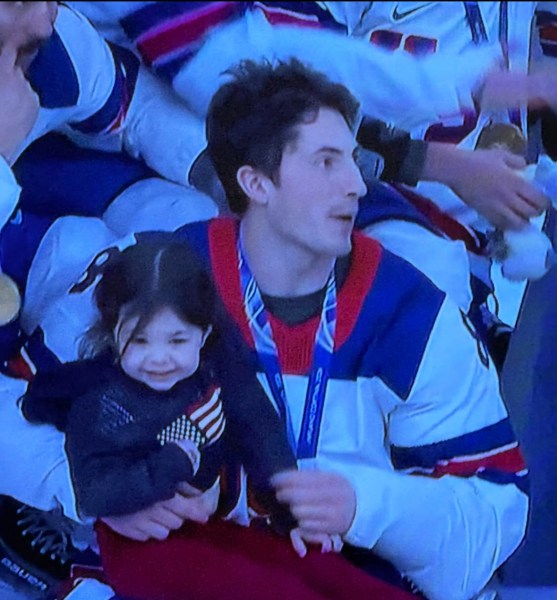
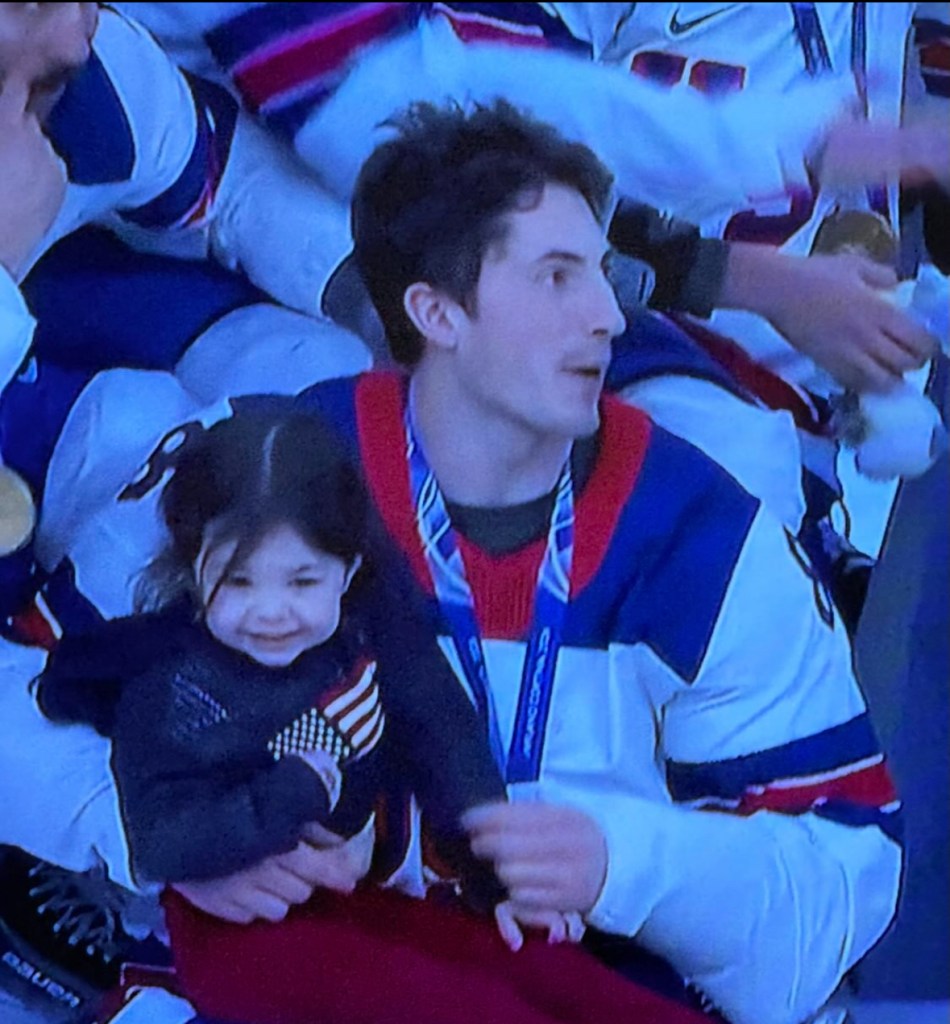
Then Larkin and Tkachuk went into the stands to go get the late Johnny Gaudreau’s kids. I will admit I cried when I saw Johnny’s dad cry, the heartbreak of losing both his sons to a self-entitled drunk will haunt him forever.

But what kills me is the US Men’s hockey team brought out Johnny Gaudreau’s daughter for the photo op but deny the fact that their culture is sexist, misogynistic and toxic towards women. 

These men don’t even fight for the women in their lives now what makes some people think they’re going to fight for her? 

The casual fan has NO IDEA what the culture of the NHL entails, they just see this moment and gush all over it. But women who are actual hockey fans see right through this – we see it as a way to say that these guys are so kind, compassionate and loving. Now, some NHL players might be that, but for the majority they are not.

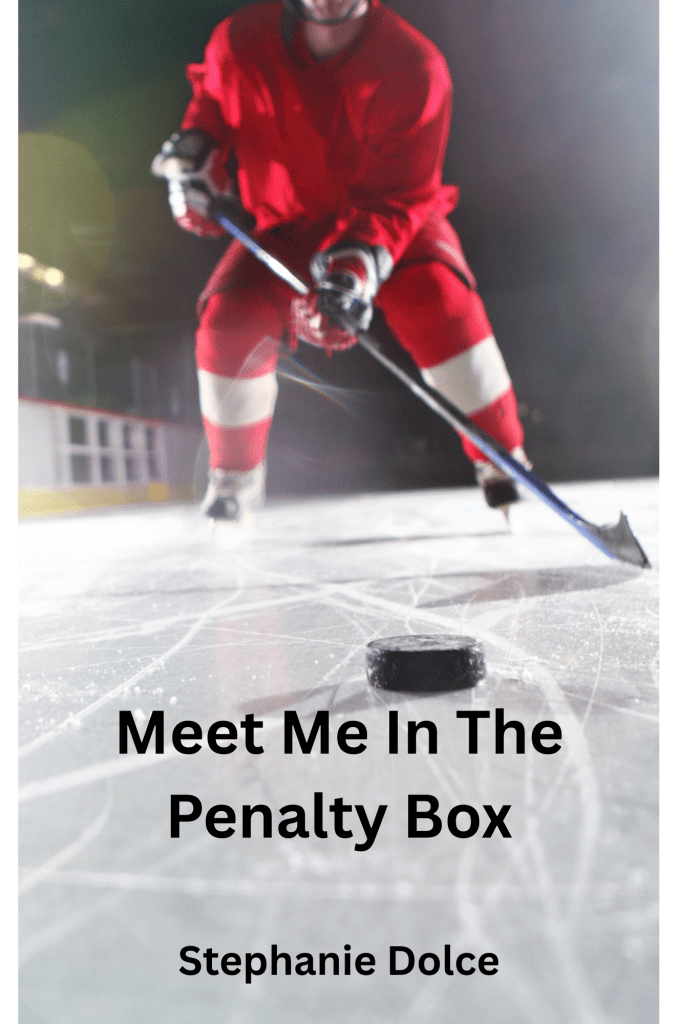
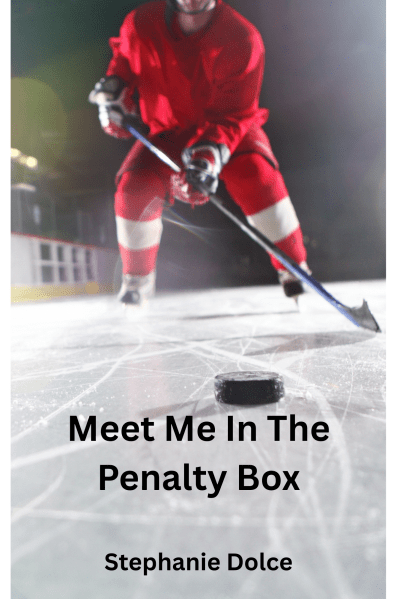
As I wrote in my new series, “Meet Me In the Penalty Box” part 1: Culture isn’t an excuse for abuse.  And abuse is silent no matter what type of abuse it is: emotionally, mental, physical or sexual. This locker room culture in THE NHL encourages and rewards particular performances of toxic masculinity. And players who don’t adhere to implicit and explicit organizational expectations risk being ostracized.

Al the sexual assault and domestic violence that has occurred has been swept under the rug and the victims are bought off to keep quiet. We can talk about the social media admin of the NY Rangers, the victims of other cases, such as the Chicago Blackhawks, and also the well documented woman from the Hockey Canada case. That’s what the NHL does, they pay off these cases, the settle them. So whenever you hear something about a NHL player fans automatically assume that the woman is lying for a payday and the men take the athlete’s side. They make these guys out to the “Best” when that is not exactly the truth. At least the NFL does not sugar coat their league like the NHL does. They have a policy, the NHL does not. NHL players are PROHIBITED from talking about all the violence against women and even the media that covers the teams don’t MENTION it either. They all have become ENABLERS!

oh, and by the way, Gary Bettman the commissioner “swears” the alcohol is not part of the culture anymore… did you see how drunk out of their minds the team was Sunday? Yes, they won and I don’t care if they had a little to drink. Vincent Trocheck as quoted saying that he was going to “get F-up tonight”

The NHL USA Men’s team has an opportunity now once and for all to CHANGE the CULTURE and stand up for women everywhere and DEMAND a policy to protect the women who work in the NHL, date/marry NHL players and also protect players from sexual assault themselves. If Noa Gaudreau actually MEANS something to these guys and not was just used as a pawn on Sunday to make you believe they care, then they will NO LONGER BE SILENT.

We all have choices in our lives. Let’s see what choice the USA Men’s Hockey team makes- that will speak louder than anything else. Will they keep enabling violence against women or will they stay up as “Proud American Men” and say enough is enough?

The time is now.
For The Love of the Game

What happens when an entire professional sports league is built on toxic masculinity and NOT ONE journalist/beat writer has the guts to talk about it and put pressure on the commissioner Bettman?

What is it like being a woman and working for the NHL?

What toxic behaviors are reinforced in the locker rooms?

How has this toxic behavior been passed down generation to generation?

What are the psychological ways that hockey players are being conformed to not only continue this behavior, but to stay quiet about it?

Get the book today and find out:


You can purchase the book on Barnes and Noble ONLY – The e-book will be available in a few weeks.

Cyber-stalking: What is it and how to avoid it.

According to Pew Research Center, young women face vastly higher rates of online harassment in two of its most intense, dangerous and emotionally disruptive forms: sexual harassment and stalking.

26% of young women told Pew that they have been stalked online compared to 7% of young men and 25% of women reported that they have been sexually harassed compared to 13% of young men.

“One thing we do know is that women take harassment more seriously than men. 38% of women reported that their harassment was “extremely or very upsetting,” while only 17% of harassed men felt the same. This is perhaps another clue that women are facing more extreme harassment than men.”

I can certainly vouch for those statistics. Being harassed, stalked, and even sexually harassed is easy since all your perpetrator needs these days is a tablet or computer. Cyber-stalking is simply defined as harassing or threatening an individual online while remaining anonymous. This can be done through various social media apps, blogs, photo sharing sites, or email.

In most incidents, the victims’ former partners are usually the ones who are behind cyber-stalking. Especially in cases where there has been abuse, the dominant partner will still want to control his ex-partner even after the relationship has ended. If you are breaking up with an intimate partner – especially if they are abusive, troubled, angry or difficult – reset every single password on all of your accounts, from email and social networking accounts to bank accounts, to something they cannot guess.

Being stalked online is not fun. If you read my book, “Victim No More,” you know how I was single-out by a group of women (yes, grown women) as they tried to pull me part in every different direction all because I wanted to date and was interested in a guy who covers their favorite baseball team for a newspaper. How juvenile. Not only were people still looking at all my profiles even afterwards, but being cyberbullied was no fun either. (That’s a whole different ball game.)

First off, people need to remember that any information you provide on the Internet, even to trusted or popular sites, is potentially susceptible to hackers. Don’t be so open to give out your personal information. You then set yourself up for being stalked in person. Secondly, make changes to your privacy settings across platforms. Be careful to turn off location tracking and tagging in photos.

If you have accounts on Facebook, Twitter, LinkedIn, Tumblr, Instagram, and YouTube, for instance, make sure check your privacy settings on each and maximize them across the board. Geotagging automatically shows your location from your smartphone. This can be dangerous because a stalker can know where you are and, more importantly, if you’re at your home or away. Go to the application’s settings on your phone and disable geotagging or location features.

Also, unless you are using social media for business purposes, if you have multiple social media accounts, use a different username for each one. This will help protect your privacy and make things more difficult for a stalker. Also, the most important tip is to to hide your friend’s lists on Facebook. A stalker may try to reach out to a friend of yours in order to get close to you. Your friends or contact list can be managed through your privacy settings.

Stalkers may create a fake account impersonating someone else in hopes of getting close to you. If you get a new friend or follow request, don’t accept it. Delete it or do not click on it. Don’t message them and say, “Who is this?” or, “Do I know you?” as this can open lines of communication with someone who might be your stalker. Don’t interact in any way with your stalker. Whether you know them in your everyday life or you only know of their internet activity, stay away. They might try to escalate the situation or say things they know will upset you or intrigue you in order to get you to respond or write back. Don’t take the bait. Save every form of communication they send you and go to the police. Facebook, Twitter, Tumblr, Google+, YouTube, Instagram all have options to completely block a person or a profile.

Remember, do not blame yourself if you are being stalked – YOU are not causing it.